_2.jpg)
Geologists with the British Columbia Geological Survey published a paper in 2013 suggesting the gold veins near the surface at the Bonaparte property might sit on top of a buried porphyry copper system. Last month, Decade Resources drilled the first hole deep enough to test that idea and found what the model predicted.
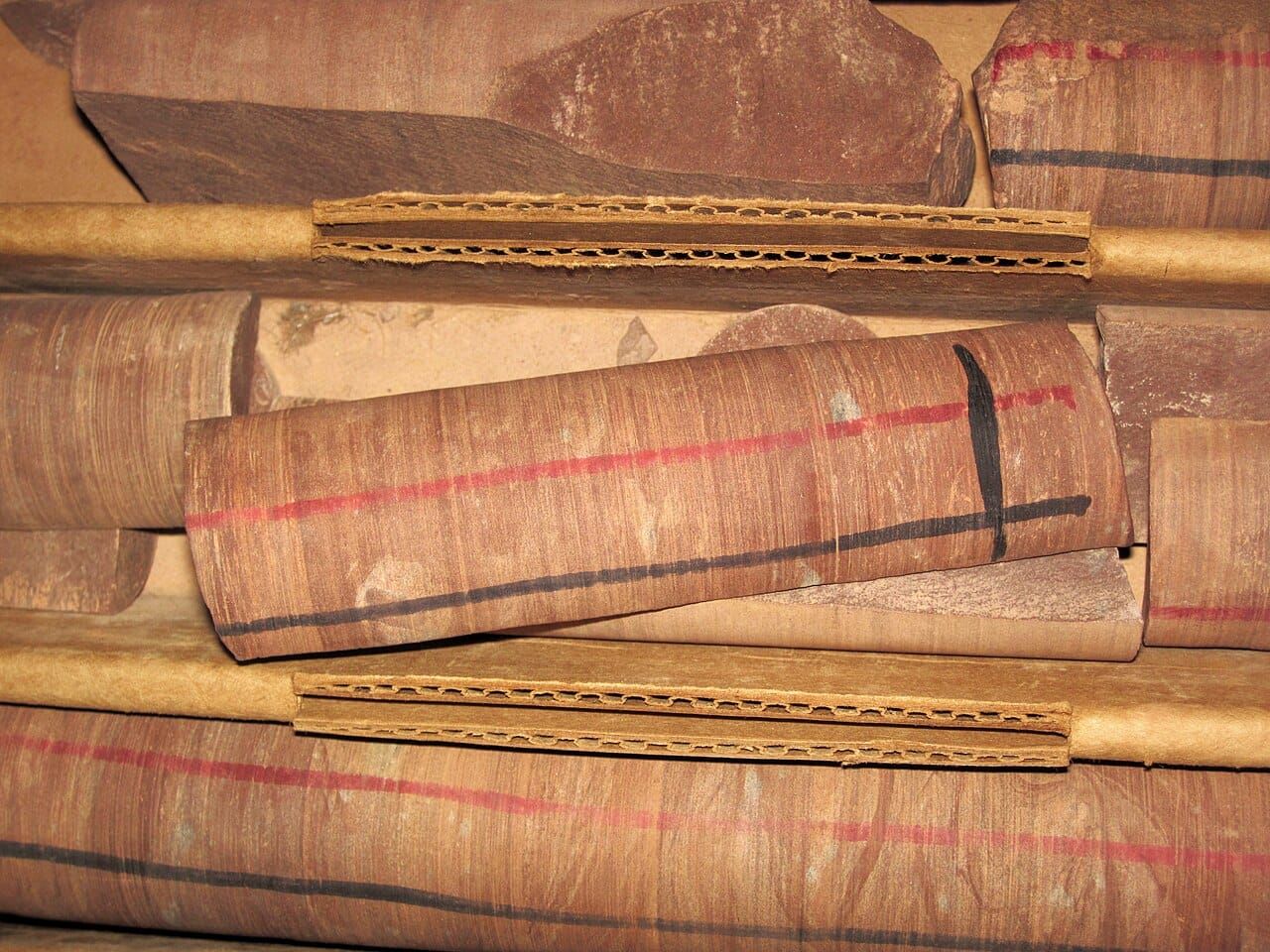
The hole, DDH 1, passed through two alteration zones before hitting mineralized feldspar porphyry at 557 metres, where it found chalcopyrite — the copper sulphide mineral common in porphyry deposits — along with occasional molybdenite. The hole bottomed at 621.6 metres with mineralization still open below.
DDH 1 is the first hole ever drilled to test beneath Bonaparte's chargeability anomaly — a zone of elevated electrical response that geophysical surveys had traced to depth, and which the 2013 paper identified as a likely fingerprint of a buried porphyry system. The hole was sited 500 metres east of the historic Discovery area, where earlier trenching returned multi-ounce gold assays, to test a separate anomaly.
For a shareholder, the confirmed alteration sequence is meaningful — but what the model predicted was a system worth testing, not a deposit. Core samples are heading to MSA LABS in Langley, BC for assay, and the company cautions that visual observations of sulphide minerals in drill core say nothing about grade. The company has also noted that the historic geophysical data has not been verified by its qualified geoscientist and is not being treated as current.
President Ed Kruchkowski, who is also the company's qualified geoscientist, said DDH 1 delivered "the classic zonation pattern that vectors toward the heart of a porphyry system" and called it rare confirmation in a first hole.
Shares closed 41.98% higher at $0.1150 after the announcement, on dollar volume of about $505,000 across 229 trades.
Results from a July soil sampling program covering more than 750 soil samples are also pending from the same lab. The company has not said how many holes are planned for Phase I or when assay results from DDH 1 are expected.